Leave Your Message
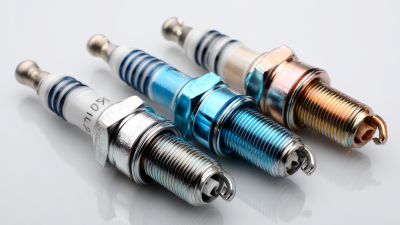
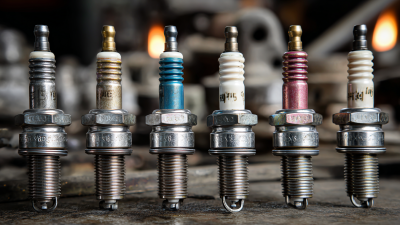
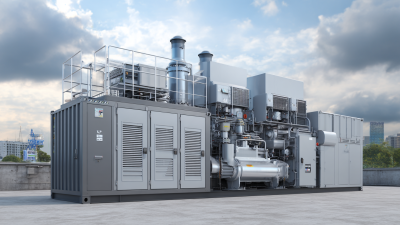
The engine aftermarket has been going through some pretty big changes lately, mostly thanks to new tech and what the market is demanding. If you’ve been keeping an eye on industry reports, you'll see that the global engine aftermarket is expected to hit around $XX billion by 2025, growing at roughly XX% annually. This upward trend is mainly driven by the rising need for smarter maintenance solutions and more widespread use of advanced ignition systems — especially in stationary gas engines. Now, TECHIE Inc. is a real player here, focusing on ignition systems for these stationary gas engines. They have an impressive lineup covering over 95% of major models, including GE Jenbacher, MWM, and CAT. Plus, their all-in-one service for gas engine spare parts really helps keep engines running smoothly and reliably in this fast-changing scene. As companies try to stay competitive, getting a handle on these current trends and insights will definitely give them an edge in the engine aftermarket game.

The engine aftermarket world is changing pretty quickly, with a lot of moving parts that impact both suppliers and customers alike. One of the biggest trends right now is the push towards more sustainable, eco-friendly options. You know, as car makers face tougher emissions rules, parts suppliers are stepping up by offering products that boost fuel economy and cut down on environmental harm. This shift isn’t just about staying ahead; it’s opening doors for businesses that focus on green practices to really stand out and get a leg up on the competition.
And then there’s the tech side of things — stuff like telematics and data analytics are really changing how customers interact with their engines. With access to real-time info, drivers can make smarter choices about maintenance and repairs, which means their engines last longer and run better. Honestly, it’s a game-changer in how companies deliver service and improve the overall customer experience. Companies that jump on these trends and invest in new tech are probably going to see more loyal customers and run more smoothly, putting them in a solid spot in this fast-moving market.
| Trend | Impact | Opportunities | Challenges |
|---|---|---|---|
| Electric Vehicle Adoption | Increased demand for EV parts and services. | Growth in EV component manufacturers. | Need for workforce retraining. |
| Digitalization | Improved customer engagement and data analytics. | Expansion into e-commerce platforms. | Cybersecurity risks. |
| Sustainability | Rising consumer preference for eco-friendly products. | Investment in green technologies. | Compliance with strict regulations. |
| Supply Chain Disruptions | Increased lead times and costs. | Opportunities for local sourcing. | Need for diversification of suppliers. |
: There is a notable shift towards sustainable and eco-friendly solutions, with aftermarket suppliers offering products that enhance fuel efficiency and reduce environmental impact in response to stricter emissions regulations.
Advanced technologies like telematics and data analytics are reshaping customer engagement by enabling real-time data monitoring, which helps consumers make informed decisions about maintenance and repairs, improving engine performance and longevity.
Leveraging digital tools and data analytics is essential for optimizing operations, streamlining supply chains, improving inventory management, and enhancing customer experiences.
The global automotive aftermarket is expected to reach $1 trillion by 2024, with a significant portion of that attributed to engine components and services.
Integrating AI and IoT can provide insights into customer behaviors and market trends, reducing operational costs by up to 15% and improving service efficiency through better demand forecasting and resource management.
Strategic partnerships enhance value by allowing companies to leverage shared resources, technology, and market reach, enabling them to respond effectively to evolving market dynamics and improving customer satisfaction.
The global engine aftermarket is expected to reach $80 billion by 2025, fueled by increasing demand for maintenance and repairs.
Companies that engage in collaborative innovation see a 15% increase in revenue compared to those operating independently, enabling better access to advanced technologies and improved operational efficiency.
Collaborations between Original Equipment Manufacturers (OEMs) and aftermarket suppliers ensure that customers receive high-quality replacement parts, which ultimately increases customer satisfaction and retention.
Emphasizing technology leads to enhanced performance, improved operational efficiency, and fosters long-term sustainability in the increasingly digitized market landscape.
Getting a handle on the Engine Aftermarket scene really means understanding what's going on right now. You know, spotting those key trends and dynamics that are basically shaping the market today. For companies like TECHIE Inc., it’s all about pinpointing the right KPIs—those little benchmarks that tell you if you're doing well or if there’s room to improve. When you keep an eye on these, it becomes easier to tweak your products in the ignition system space—especially for stationary gas engines—and stay ahead of the game. Plus, putting tech to work is a game-changer—it boosts operations, makes things run smoother, and keeps customers happy.
And don’t overlook the power of strategic partnerships either. When companies team up, everyone wins—more value, better collaboration, and stronger relationships all around. Good inventory management is another big piece of the puzzle. Keeping a solid supply chain means you can respond quickly when customers need parts, and that’s super important in the gas engine spare parts world. TECHIE Inc., with over 95% coverage for various gas engines, really shows they’re serious about quality and reliability in this fast-changing market.